
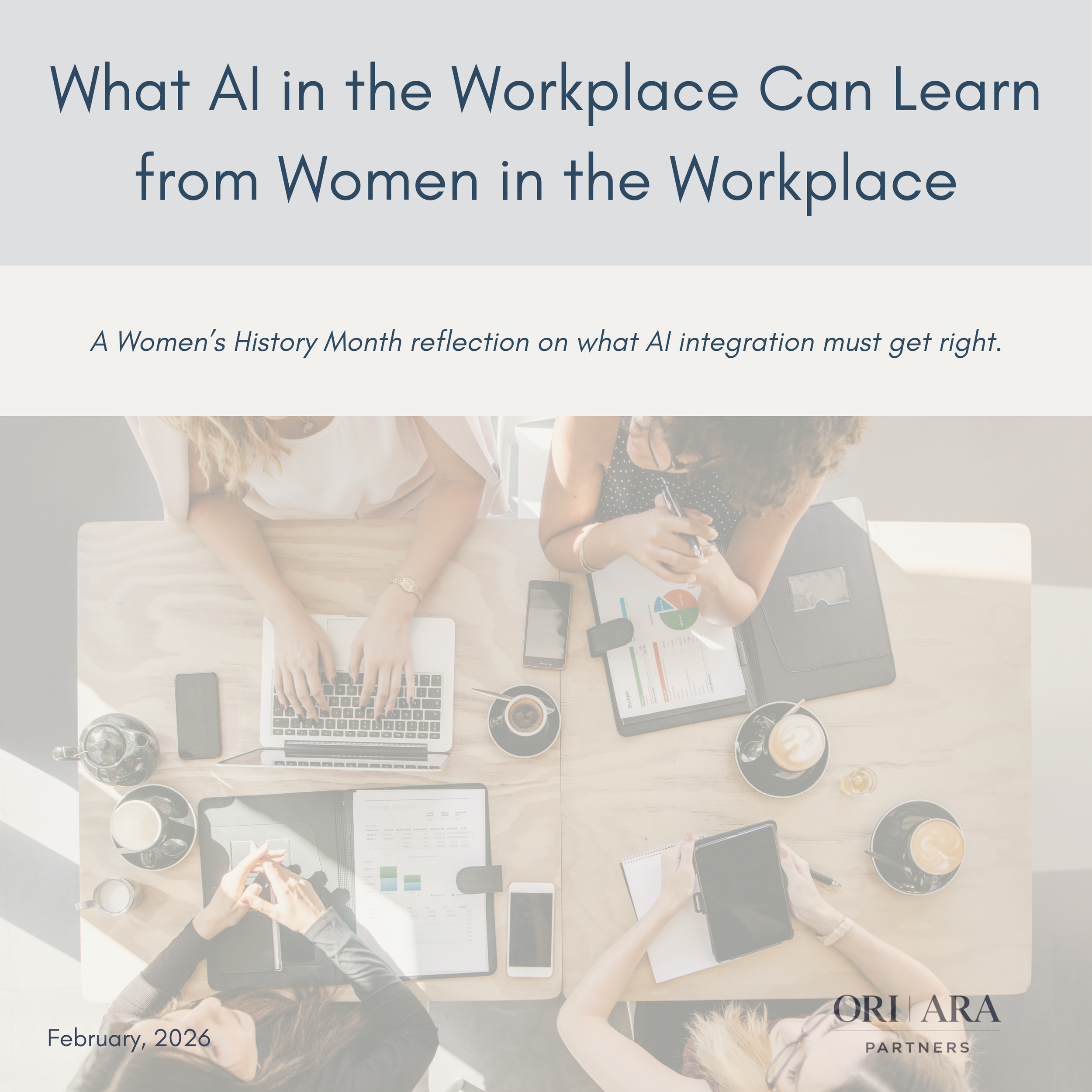
What AI in the Workplace Can Learn from Women in the Workplace
Eventually, AI will become infrastructure, just as women did.
But here’s the difference:
AI does not need rest.
AI does not need boundaries.
AI does not carry invisible emotional labor.
AI does not burn out.
Women do.
Humans do.
And as AI increases speed, expectations expand accordingly.
Which means we risk layering additional performance demands onto humans who are already overextended.
We have seen this before.
When women entered the workforce, productivity increased … but so did the invisible load.
Now AI increases productivity … and again, humans are expected to stretch.
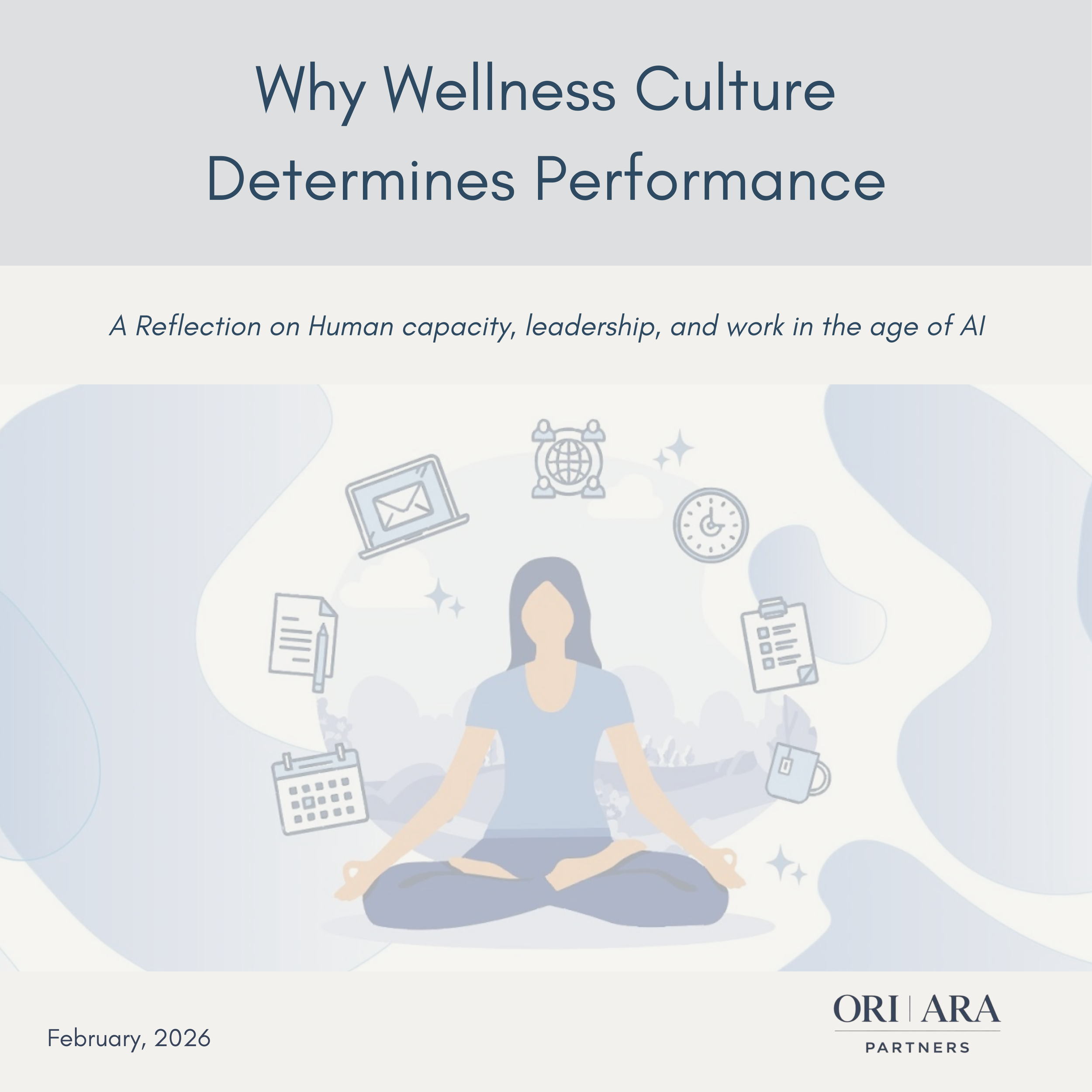
Why Wellness Culture Determines Performance
Why Burnout Becomes Predictable
The irony?
We hire for experience and skills, but employees regulate themselves to the company culture. The culture shows people what is rewarded, tolerated, and normalized. So, when urgency becomes the default, people adapt with reactivity. Systems are built around survival instead of sustainability. When every day feels overwhelming, overextension becomes a signal of loyalty.
The result is an organization that may move quickly, but it moves inefficiently, inconsistently, and unsustainably. Burnout, in this (all too common) context, isn’t a personal failure. It’s the predictable outcome..
Burnout Is a Systems Failure, Not a Personal One
Burnout isn’t a resilience problem. It’s a design problem.
As organizations move faster and teams grow leaner, pressure increases without expanding human capacity. This reflection explores why burnout emerges as a predictable outcome of misaligned systems — and what it means to treat culture, leadership, and wellbeing as organizational infrastructure instead of personal responsibility.